


iStockphoto
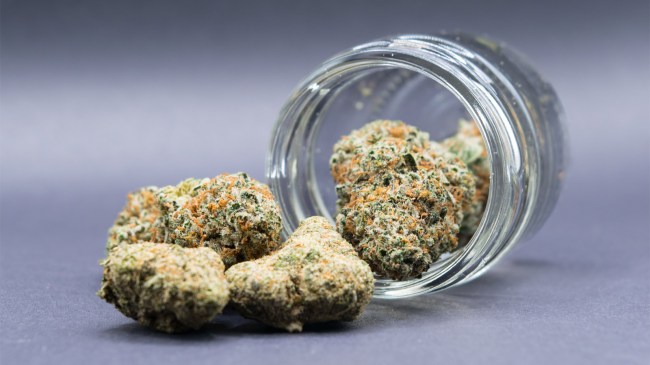
A recent study by researchers from the the University of Colorado-Boulder found that almost half of all cannabis flower products that were tested contained less THC than their labels claimed. Colorado was the first state to legalize recreational marijuana and is often used as a barometer for cannabis regulations and laws.
The products were considered “accurately labeled” if they contained within 15% of the THC amount displayed on the label. The same percentage is used by the state.
All of the products were purchased by a secret shopper who traveled the state because, according to a press release, under federal law university scientists are not allowed to purchase or handle legal market cannabis for research. The number of products gathered and tested – 277 cannabis products, 178 flower products (loose flower and pre-rolled joints) and 99 smokable concentrates, from 52 dispensaries across 19 Colorado counties – made it the largest independent audit of this kind.
Conclusions gained by the study on cannabis product labels
The study, published in the journal Scientific Reports, revealed about 44% percent of flower products failed to meet that standard. 54 of the cannabis products exaggerated their THC content on the label. 23 contained more THC than the label claimed.
“THC content has increased significantly, and we know that greater THC exposure is likely associated with greater risks, including risk of cannabis use disorder and some mental health issues,” said senior author Cinnamon Bidwell, associate professor of psychology and neuroscience and co-director of the Center for Health and Neuroscience, Genes and Environment.
On the positive side, the study found 96% of the labels on cannabis concentrates such as oils and waxes met accuracy standards. One of the reasons for that, the researchers explained, is because “concentrates are often made from homogenous oils that are easier to analyze, whereas plants are inherently heterogenous and harder to test.”
The researchers suggested small changes in testing protocols could reduce the mislabeling of cannabis products. Accurate labels are important, they wrote, because “for those using cannabis medically, adequate dosing can be critical” and “for those using cannabis recreationally, taking more than expected can be dangerous.”