


gorodenkoff/iStockphoto
A new study links higher levels of exposure to artificial light at night to stress-related activity in the brain, as well as a higher risk of inflamed arteries and heart disease. In other words, shut your curtains or blinds and stay off your phone before going to sleep because nighttime light pollution can kill you.
The first-of-its-kind study reviewed brain scans of 450 adults without heart disease and no active cancer. The researchers then reviewed those scans as well as satellite images to show a biological pathway linking night-time light exposure to heart disease.
“We know that environmental factors, such as air and noise pollution, can lead to heart disease by affecting our nerves and blood vessels through stress. Light pollution is very common; however, we don’t know much about how it affects the heart,” study senior author Dr. Shady Abohashem, head of cardiac PET/CT imaging trials at Massachusetts General Hospital, said in a statement published by the American Heart Association.
The study, while limited in scope, is still rather illuminating
The study found that every increase in the level of artificial night light a person was exposed to was associated with an increased risk of heart disease over five- and 10-year follow-up periods. It also showed heart risks were “higher among participants who lived in areas with additional social or environmental stress, such as high traffic noise or lower neighborhood income.”
“We found a nearly linear relationship between nighttime light and heart disease: the more night-light exposure, the higher the risk. Even modest increases in night-time light were linked with higher brain and artery stress,” said Abohashem. “When the brain perceives stress, it activates signals that can trigger an immune response and inflame the blood vessels. Over time, this process can contribute to hardening of the arteries and increase the risk of heart attack and stroke.”
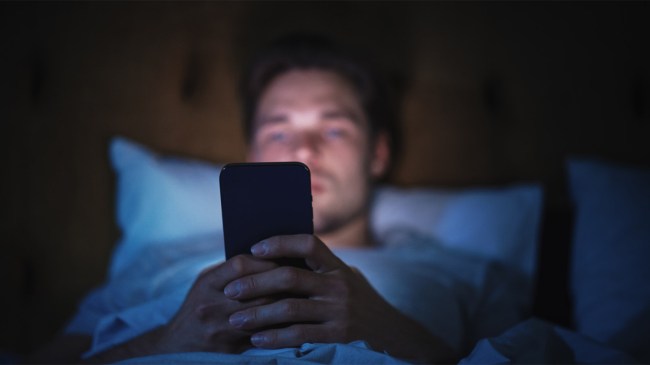
Abodashem recommends cities reduce unnecessary outdoor lighting, shield streetlamps, or use motion-sensitive lights. In the home, he suggests limiting “indoor nighttime light, keeping bedrooms dark and avoiding screens such as TVs and personal electronic devices before bed.”
The researchers did add a couple of caveats to their study, however. First, it is an observational study so they cannot prove a direct cause-and-effect relationship. Second, the study included participants from only one hospital system, so the findings do not accurately represent a larger population group.